
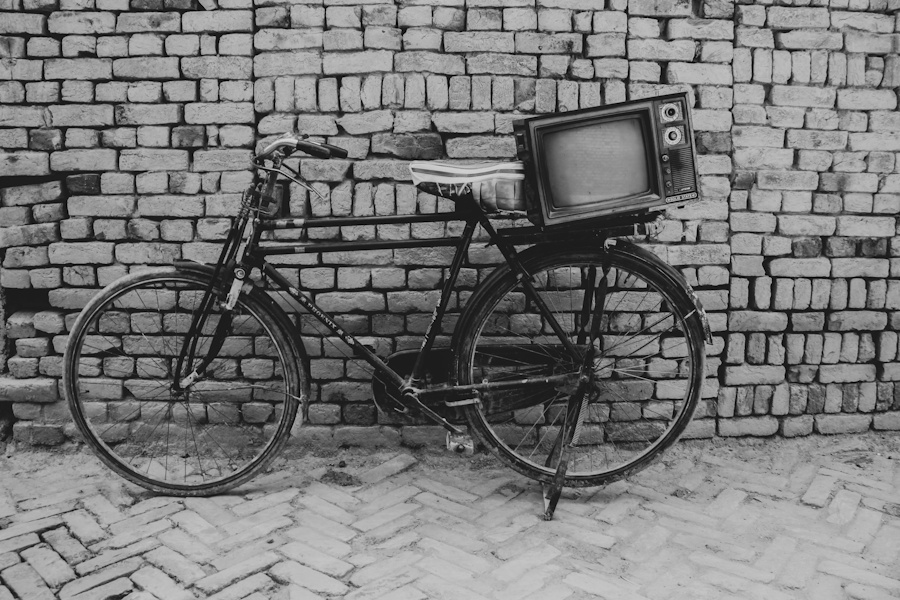
Cologne has earned its reputation as the Cologne Television Capital, a title that reflects its unique role in Germany’s broadcasting industry. From iconic TV networks to cutting-edge studios, the city has become a hub for both traditional and modern media production, attracting top creative talent from across the country.
Cologne’s rise as a television powerhouse did not happen overnight. The city’s media history stretches back to the early days of German broadcasting in the 1950s. With strong infrastructure, a central location on the Rhine, and a supportive local government, Cologne became an ideal base for early television networks. Public broadcasters such as WDR (Westdeutscher Rundfunk) established their headquarters here, creating a foundation for the city’s growing influence.
Over time, Cologne attracted private broadcasters and production companies, cementing its status as the Cologne Television Capital. Networks like RTL and VOX set up major studios, producing popular shows that reach millions nationwide. This concentration of networks encourages collaboration, innovation, and investment in the city’s media ecosystem.
One of the defining characteristics of the Cologne Television Capital is its ability to attract creative professionals. Writers, producers, directors, and technical experts prefer Cologne because it offers opportunities in diverse genres—from news broadcasting and reality shows to high-budget series and documentaries. The city’s vibrant cultural scene, affordable living compared to Berlin, and strong networking opportunities make it an attractive location for media professionals.
Cologne’s studios are among the most modern in Europe. With advanced filming equipment, green-screen technology, and large-scale sets, the city allows broadcasters to produce high-quality content efficiently. This infrastructure ensures that Cologne remains competitive with other European media hubs.
The economic impact of Cologne’s television industry is significant. Thousands of jobs are supported directly and indirectly by broadcasting, production, and media services. The city also benefits from tourism tied to media events, studio tours, and annual festivals. As the Cologne Television Capital, the city’s influence extends beyond culture—it plays a crucial role in shaping regional and national economic growth.
The rise of digital streaming and online video has further strengthened Cologne’s position. Production companies are now creating content for both traditional TV and digital platforms. The city’s adaptability ensures that the Cologne Television Capital remains relevant as viewing habits evolve, combining traditional broadcast strength with new media innovation.
Cologne’s evolution into the Cologne Television Capital is the result of decades of investment in infrastructure, talent, and culture. From historic broadcasters to modern studios, the city represents the beating heart of Germany’s television industry. Its mix of tradition, innovation, and creative energy ensures that Cologne will remain at the forefront of German TV for years to come.

Leave A Comment