



Spending my first Christmas in Sweden in five years with my family was a deeply moving and comforting experience. After such a long time apart, just being in the same room again seeing familiar faces, hearing shared laughter, and feeling the warmth of togetherness gave me a very strong emotional feeling. Christmas in Sweden has always been a time for us to think about life and reconnect, and this year it felt especially important. Sitting around the Christmas table, sharing stories and smiles, I remembered that traditions are not just routines; they are strong anchors that hold families together across time, distance, and change.
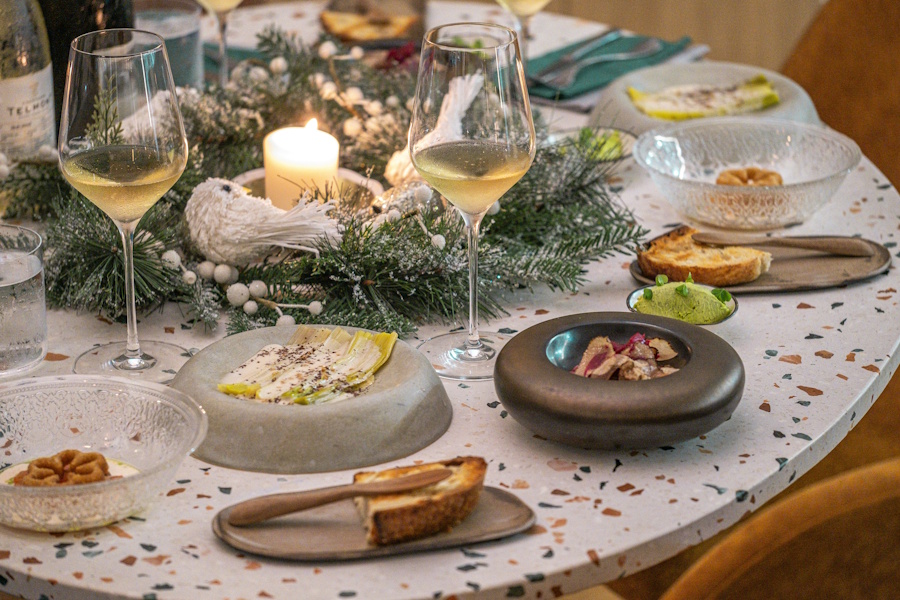
Our family has always followed a strong Lithuanian Christmas Eve tradition called Kūčios, which happens on the 24th of December. No matter where we are in the world, this tradition is very important even here in Sweden. The Kūčios meal has no meat and includes at least twelve different dishes. These twelve dishes are symbols for the twelve Apostles of Jesus Christ and also for the twelve months of the year. People believe that tasting each dish brings good luck, balance, and success in the next year. This custom also has an older history: before Christianity, Lithuanians had a pagan winter solstice feast with nine dishes, for the nine months of the farming year. Over time, Christian ideas mixed with the older beliefs, creating the twelve-dish tradition we have today.
Another important part of Kūčios is remembering and showing respect for family members who have died. Usually, an extra table setting is prepared for family members who are no longer with us or for any unexpected guest. This practice shows the values of hospitality, family continuity, and thankfulness. Even in Sweden, far from Lithuania, we kept these customs carefully. The special food, the order of the meal, and the quiet moment of silence before eating all made us feel a strong connection to our culture and identity. Being in a different country did not weaken the tradition; in fact, it made us more determined to keep it alive.
Swedish Christmas traditions are different in their practices, but they are based on similar values. In Sweden, Christmas celebrations also focus on family, togetherness, and food. One of the most famous Swedish customs is the “julbord,” a large Christmas buffet enjoyed on Christmas Eve or Christmas Day. Unlike Kūčios, the julbord has many meat and fish dishes like ham, meatballs, sausages, and pickled herring. While the food rules are different, the main idea of having plenty of food to share is the same in both cultures.
An interesting similarity between Lithuanian and Swedish Christmas traditions is the importance of Christmas Eve. In both countries, the 24th of December is more important than Christmas Day. Families come together, share a big meal, and treat the evening as the main emotional and spiritual part of the holiday. Also, both cultures use candlelight a lot, creating a peaceful, thoughtful mood that contrasts with the dark Nordic winter in Sweden.
We can also see some similar symbols. In Lithuania, people sometimes put straw under the tablecloth during Kūčios. This symbolizes the manger where Jesus was born and connects to the country’s farming history. In Sweden, the tradition of lighting Advent candles and putting electric candle lights in windows has a similar purpose: to bring light into the darkness and to show warmth and welcome to people outside.
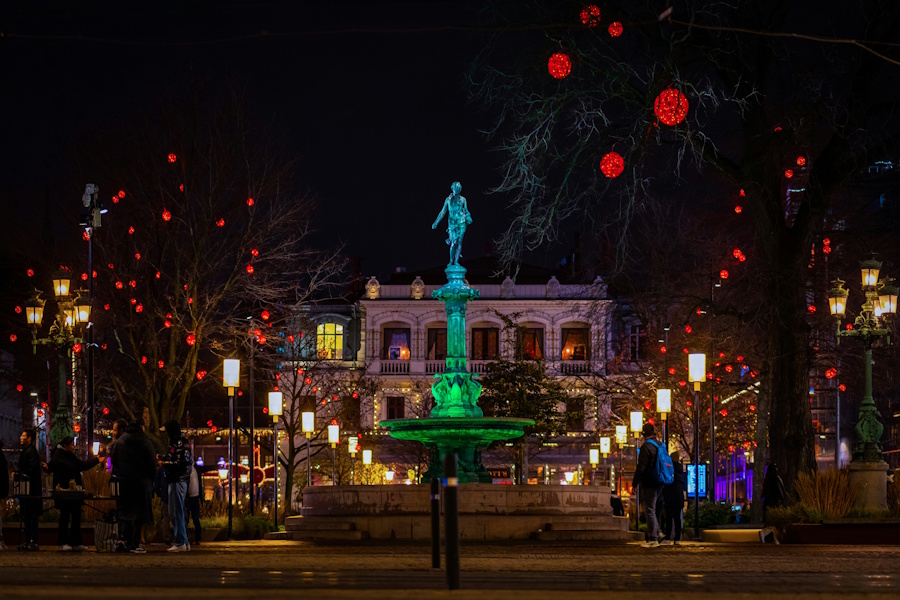
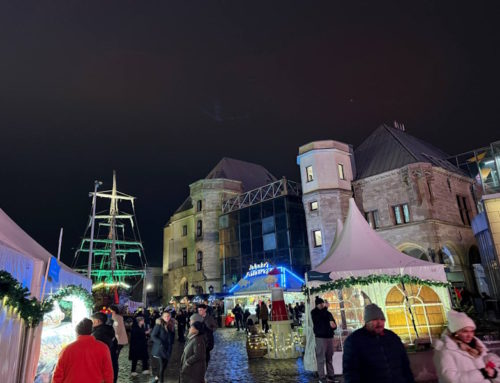
The day after Christmas Eve in Sweden gave us a quieter but equally special experience. Going outside together for a family walk through Swedish towns and cities let us connect in a different way. The cold winter air, quiet streets, and walking together at the same pace created a good space for talking and thinking. It reminded us that Christmas is not only about the meal at the table, but also about simply being together and sharing time.
In the end, celebrating our Lithuanian Christmas traditions in Sweden showed us both the differences and the shared values between cultures. While the foods, symbols, and customs are different, the most important things family, remembering others, generosity, and togetherness are very much the same. This Christmas in Sweden was a powerful lesson that traditions can travel, they are strong, and they are most meaningful when we live them out together.


Leave A Comment